

Muscular pain is one of the most common health concerns affecting people of all ages. Whether it develops after long working hours, physical exertion, poor posture, sports injuries, or age-related changes, persistent muscle pain can interfere with daily activities and reduce overall quality of life. While many people rely on pain-relieving tablets or topical applications for quick comfort, these solutions may only provide temporary relief without addressing the underlying cause. This is why many individuals searching for Muscular Pain Treatment are also exploring Ayurveda as a complementary approach to long-term wellness.
Across Nagpur and Maharashtra, sedentary office jobs, prolonged screen time, physically demanding occupations, and stressful lifestyles have contributed to an increase in muscular discomfort. Understanding the difference between temporary symptom management and holistic care can help individuals make informed healthcare decisions.
Why Does Muscular Pain Occur?
Muscle pain can develop for several reasons, and identifying the root cause is an important first step before choosing any treatment.
Common causes include:
- Muscle strain from overuse
- Poor posture while sitting or working
- Sports-related injuries
- Stress-induced muscle tension
- Vitamin deficiencies
- Age-related muscle stiffness
- Arthritis or joint disorders
- Neurological conditions
- Recovery after illness
- Lack of regular physical activity
If muscle pain is severe, persistent, or accompanied by weakness, swelling, or numbness, professional medical evaluation is essential.
Temporary Pain Relief vs Holistic Management
Many conventional pain relief options are designed to reduce discomfort quickly. Pain-relieving medicines, gels, or heat therapy may be useful for short-term symptom control, especially after minor injuries or muscle fatigue.
However, if muscular pain continues to return, it is important to understand why it is happening. Repeated pain may indicate poor posture, reduced flexibility, chronic inflammation, stress, or another underlying medical condition that requires a more comprehensive approach.
Ayurveda differs because it aims to understand the reason behind recurring pain instead of focusing only on the painful area. Treatment plans are personalised after evaluating body constitution, lifestyle, daily routine, digestion, mobility, and existing health conditions.
How Does Ayurveda Support Muscular Pain Treatment?
According to Ayurveda, muscular discomfort is often associated with an imbalance in Vata Dosha, which influences movement, muscles, joints, and the nervous system. The objective of Ayurvedic care is to restore balance while supporting healthy muscle function and improving overall mobility.
An Ayurvedic treatment plan may include several complementary components.
Personalised Assessment
Every individual experiences muscular pain differently. Age, occupation, activity level, medical history, and lifestyle habits all influence the choice of therapy.
Rather than following a standard protocol, Ayurvedic physicians prepare customised treatment plans based on a detailed consultation.
Therapeutic Ayurvedic Treatments
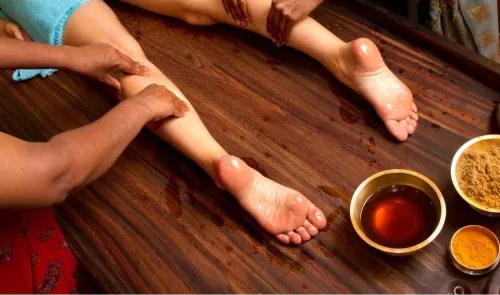
Depending on the individual's condition, specialised Ayurvedic therapies may be recommended to promote relaxation, improve flexibility, and support healthy circulation to muscles and surrounding tissues.
Some people may also benefit from Panchakarma therapies, which are selected only after careful assessment and performed under professional supervision.
Lifestyle Improvements
Healthy daily habits are an important part of managing muscular discomfort.
Simple recommendations often include:
- Regular stretching exercises
- Walking or moderate physical activity
- Maintaining proper sitting posture
- Taking breaks during prolonged desk work
- Adequate hydration
- Quality sleep
- Stress management
These habits support muscle recovery while reducing the likelihood of recurring discomfort.
Who May Benefit from Ayurvedic Care?
Ayurvedic Muscular Pain Treatment may be considered by individuals experiencing:
- Recurring neck pain
- Shoulder stiffness
- Muscle tightness after work
- Lower back muscle strain
- Sports-related muscular discomfort
- Age-related muscle stiffness
- Pain associated with prolonged sitting
- General muscular fatigue
Treatment recommendations should always be based on professional evaluation rather than self-diagnosis.
Choosing an Ayurvedic Wellness Centre
If you are considering Ayurvedic support for muscular pain, choose a wellness centre that focuses on personalised care instead of offering identical treatments for everyone.
Look for:
- Qualified Ayurvedic doctors
- Individual health assessment
- Authentic Panchakarma therapies where appropriate
- Lifestyle and dietary guidance
- Regular progress evaluation
Many people in Nagpur now combine conventional medical advice with Ayurvedic wellness therapies to support long-term recovery and improve mobility. Kerala Ayurveda Nilayam offers personalised Ayurvedic consultations and customised therapies that are planned according to each individual's health condition and recovery goals.
Making the Right Treatment Choice
Muscular pain should not be ignored simply because it improves temporarily. Recurring discomfort often indicates that the body needs attention beyond short-term symptom relief. Understanding the cause, improving daily habits, and seeking appropriate professional care are essential for long-term wellness.
Ayurveda encourages a comprehensive approach by addressing lifestyle, posture, movement, stress, and overall body balance alongside personalised therapies. For individuals across Nagpur and Maharashtra, combining healthy routines with expert-guided Ayurvedic Muscular Pain Treatment can support better mobility, improved comfort, and a healthier, more active lifestyle.