
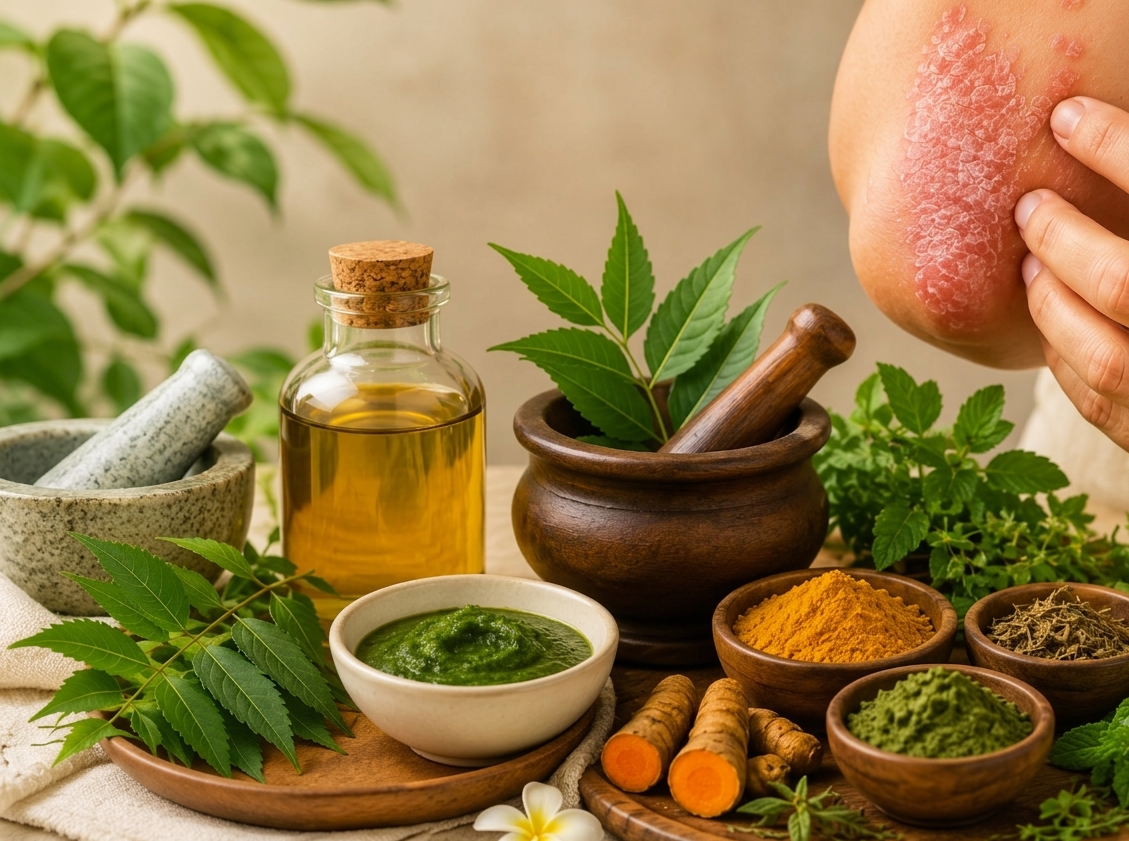
Psoriasis is a long-term skin condition that causes skin cells to multiply more rapidly than normal, leading to thick, dry, and scaly patches on different parts of the body. Although it is not contagious, psoriasis can significantly affect a person's physical comfort, confidence, and quality of life. Because the condition often follows a cycle of flare-ups and remission, many individuals explore complementary healthcare options alongside conventional medicine. For those researching Psoriasis Treatment, Ayurveda provides a holistic perspective that focuses on supporting overall health rather than treating the skin alone.
People across Nagpur and Maharashtra are becoming increasingly aware of integrative healthcare approaches that combine medical dermatological care with Ayurvedic wellness practices. Understanding how Ayurveda differs from symptom-focused treatment can help individuals make informed decisions about managing psoriasis.
Understanding Psoriasis Beyond the Skin
Psoriasis is widely recognised as an immune-mediated condition. While the visible symptoms appear on the skin, several internal and external factors may influence its severity.
Common triggers include:
- Emotional stress
- Skin injuries
- Certain infections
- Weather changes
- Smoking
- Alcohol consumption
- Obesity
- Some medications
- Family history
- Poor lifestyle habits
Since every person experiences psoriasis differently, treatment plans should always be individualised.
Conventional Care and Holistic Wellness
Conventional medical treatment for psoriasis may include topical medications, moisturisers, phototherapy, or systemic medicines depending on the severity of the condition. These treatments are important and should always be followed under the guidance of a dermatologist.
Ayurveda, on the other hand, takes a broader view by evaluating digestion, metabolism, dietary habits, lifestyle, stress levels, and body constitution. Rather than concentrating only on skin lesions, Ayurvedic care aims to improve overall balance, which may support long-term wellness.
This complementary approach is why many people choose to integrate Ayurveda with their existing medical care after consulting qualified healthcare professionals.
How Does Ayurveda Approach Psoriasis?
According to Ayurvedic principles, skin health reflects the body's internal balance. Disturbances in digestion, accumulation of toxins (Ama), and imbalance of the doshas are believed to contribute to chronic skin conditions.
Before recommending any therapy, Ayurvedic physicians usually perform a detailed consultation that considers:
- Medical history
- Nature of skin symptoms
- Dietary habits
- Lifestyle patterns
- Stress levels
- Sleep quality
- Overall health condition
Based on this assessment, a personalised wellness plan is prepared.
Components of Ayurvedic Psoriasis Treatment
An Ayurvedic treatment plan may include multiple supportive measures rather than relying on a single therapy.
Personalised Dietary Guidance
Nutrition is considered an important part of maintaining healthy skin.
General recommendations may include:
- Fresh seasonal foods
- Balanced meals
- Adequate hydration
- Limiting highly processed foods
- Avoiding dietary habits that may aggravate digestion
Dietary advice varies according to each individual's health profile.
Lifestyle Modifications
Healthy daily habits can support overall wellness and may help reduce factors that contribute to flare-ups.
These often include:
- Maintaining a consistent routine
- Managing stress
- Regular physical activity
- Adequate sleep
- Gentle yoga and breathing exercises
These practices contribute to both physical and emotional well-being.
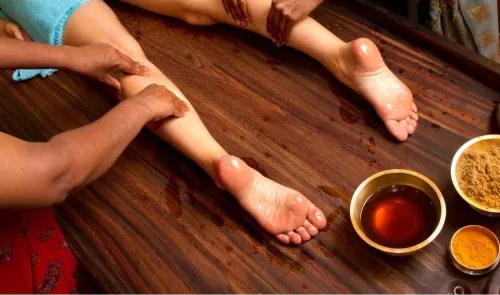
Panchakarma Therapies
For selected individuals, Panchakarma therapies may be recommended after careful evaluation. These therapies are performed under the supervision of qualified Ayurvedic physicians and are customised according to the patient's health status.
Panchakarma should always be viewed as part of a comprehensive wellness programme rather than a standalone solution.
Questions to Ask Before Choosing Any Treatment
Before beginning any psoriasis treatment, consider discussing the following with your healthcare provider:
- What type of psoriasis do I have?
- What factors may be triggering flare-ups?
- How can lifestyle changes support treatment?
- Is Ayurvedic care suitable alongside my current medications?
- What realistic improvements can I expect over time?
Asking these questions helps patients make well-informed healthcare decisions.
Selecting the Right Ayurvedic Wellness Centre
When exploring Ayurvedic Psoriasis Treatment, choose a centre that prioritises evidence-informed, patient-centred care.
Look for:
- Qualified Ayurvedic doctors
- Individual consultations
- Personalised treatment plans
- Authentic Panchakarma therapies where appropriate
- Lifestyle and dietary counselling
- Coordination with ongoing medical care when needed
Many individuals in Nagpur seek holistic wellness solutions that complement conventional dermatological treatment. Kerala Ayurveda Nilayam provides personalised Ayurvedic consultations and customised wellness therapies designed to support people living with chronic skin conditions through an individualised approach.
A Balanced Approach to Living with Psoriasis
Psoriasis is a chronic condition that often requires ongoing care, patience, and consistent lifestyle management. While no single treatment works for everyone, combining medical supervision with healthy daily habits and personalised Ayurvedic support may contribute to improved overall well-being.
For people across Nagpur and Maharashtra, understanding the strengths of both conventional medicine and Ayurveda allows them to make balanced healthcare choices. An integrated approach focused on long-term health, rather than temporary symptom management alone, can help individuals manage psoriasis more confidently while supporting their overall quality of life.